This loose, modernist version of Shakespeare’s “Romeo and Juliet” is arguably Franco Zeffirelli’s most satisfying film, largely due to his decision to cast the two leads with very young actors, Olivia Hussey and Leonard Whiting.

But there’s so much to admire about the film, besides its handsome romantic leads. The screenplay, also co-written by Zeffirelli, is occasionally witty and humorous too. The staging of the action sequences (crowd and fight scenes) is impressive and so are all the other production values, particularly stunning cinematography by ace lenser Pasqualino De Santis.
Shakespeare’s purists might be upset by the adaptation, which trimmed some of the lengthy speeches, including Juliet’s potion monologue.
As director, Zeffirelli was shrewd in asking Laurence Olivier to do the voice-over narration, thus elevating the film’s stature.
The movie was shot in Italy’s Tuscany at Pienza, Gubbio and other beautiful locations.
With his version, many younger viewers (high-school and college students) were introduced to Shakespeare for the first time; the brief nude scene between the lovers was especially appreciated by them.
Released by Paramount (Dino De Laurentiss)
My Oscar Book:
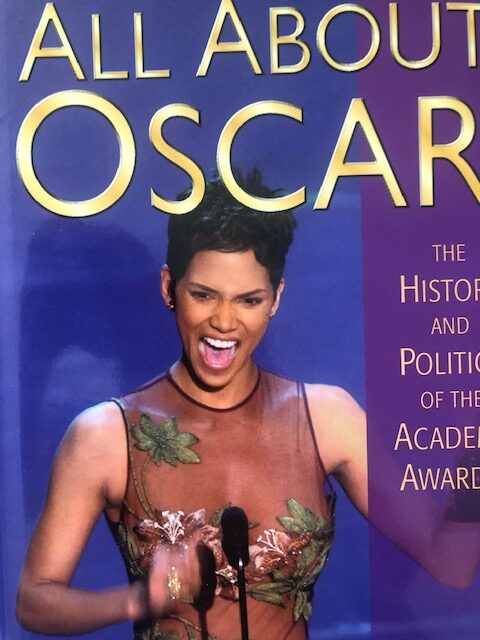
Oscar Nominations: 4
Picture, produced by Anthony Havelock-Allan and John Brabourne
Director: Franco Zeffirelli
Cinematography: Pasqualino De Santis
Costume Design: Danilo Donati
Oscar Awards: 2
Cinematography
Costume design
Oscar Context
In 1968, “Oliver!” was not the only musical vying for the Best Picture Oscar. The other nominee was William Wyler’s screen adaptation of the Broadway hit, “Funny Girl.” These musicals competed with two historical dramas, “The Lion in Winter” and Zeffirelli’s modernist rendition of Shakespeare’s “Romeo and Juliet.” The fifth nominee featured Paul Newman directorial debut in the intimate drama, “Rachel, Rachel, starring his wife-actress Joanne Woodward.
In an unprecedented move, that happened only once in the Academy’s history, a tie was declared in the Best Actress category between Streisand and Katharine Hepburn, who won her third Oscar for “The Lion in Winter.”
There has been only one tie in the Best Actor category, in 1931-32, when Wallace Beery (“The Champ”) and Frederic March (“Dr. Jekyll and Mr. Hyde”) both won the Best Actor Oscar.